


The immune system isn’t a dial you can turn up with a pill – but it does need certain nutrients to function normally. Here you’ll find Puhdas+ products with ingredients that contribute to the normal function of the immune system: vitamin D, vitamin C, zinc, selenium and others. Read more ↓
-
 Digestion and liver, Immunity, In stock, Omega and fatty acids
Black cumin oil
Price range: 19.50€ through 29.50€ -
Drinks, Immunity, In stock, Sale products, Vitamin waters
Vitamin Water with Zinc and Vitamin C, Lemon Flavor, 330 ml
Price range: 2.90€ through 74.90€ -
-
-
 Immunity, Joints, muscles and bones, Vitamin D, Vitamins
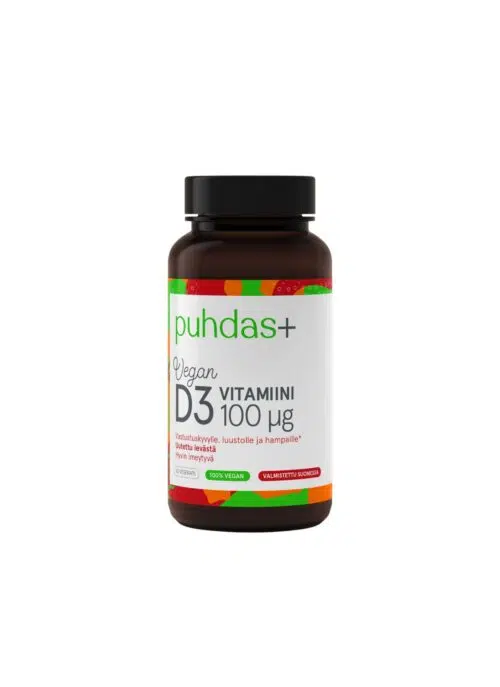
Vitamin D3 100 µg
Price range: 13.90€ through 24.50€ -
-
-
-
Immunity, Joints, muscles and bones, Vitamin D, Vitamins
Vitamin D3 50 µg
Price range: 17.50€ through 30.50€ -
-
-



Which nutrients matter for the immune system?
In the European Union, the claim "contributes to the normal function of the immune system" is authorised for vitamin D, vitamin C, zinc, selenium, iron, folate, vitamins B6 and B12, and copper. The aim is to avoid a shortfall, not to take large doses "just in case". In the Estonian autumn and winter, the most common shortfall is vitamin D – the skin only produces it in sunlight.
The autumn basicsA simple routine that needs no thought: with breakfast, Vitamin D3 50 µg and vitamin C; with lunch or dinner, zinc 25 mg. If you'd like something more, you can add selenium or lactic acid bacteria. The full plan, with doses, is in the article Immunity in autumn: vitamin D, vitamin C and zinc – what you really need.
What no capsule can replace7–8 hours of sleep, time outdoors even when it's dark, plenty of vegetables and protein, and moderate stress. A food supplement is a complement, not a substitute – and if you fall ill, the right place to go is your GP, not the supplement shelf.
Frequently asked questions
When should I start taking immunity products in autumn?
Start vitamin D in October at the latest and continue until March or April. Vitamin C and zinc are everyday nutrients all year round – a food supplement helps when your diet doesn't provide enough of them.
Do children need the same?
Children's doses are smaller than adults' and depend on age. Ask your GP or pharmacist for advice; adult products should not be given to children without a recommendation.
Can I take zinc every day?
Yes – the daily reference intake is 10 mg and the safe upper limit for adults is 25 mg a day. Take it with food and separately from iron and large doses of magnesium.
What about lactic acid bacteria and the immune system?
No health claims have been authorised for lactic acid bacteria in the European Union, so we don't make any. They are a food containing live bacteria that many people have made part of their routine – whether it suits you is something you can find out by trying it yourself.
Food supplements should not be used as a substitute for a varied and balanced diet and a healthy lifestyle. Do not exceed the recommended daily dose. Keep out of the reach of children.